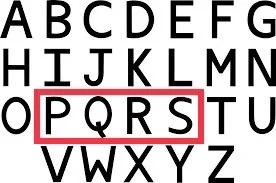


FIXED
BARBARIANS·ALSO·ADDED·FAKE·LETTERS
ROVNDED·V·IS·NOT·A·REAL·LETTER
YOVRE·IVST·TOO·LAZY·TO·ANGLE·YOVR·V
ALSO·IF·VV·IS·NOVV·A·LETTER·SHOVLD·VVE·COVNT·ZZ·OR·NN·AS·LETTERS·TOO ILL·GIVE·A·PASS·TO·DRVNK·LETTERS·LIKE·K·Y·OR·ZExplanation
If you’re having a hard time reading the above: «Fixed. Barbarians also added fake letters. Rounded “V” (i.e. “U”) is not a real letter; you’re just too lazy to angle your “V”. Also, if “W” is now a letter, should we count “ZZ” or “NN” as letters too? I’ll give a pass to drunk letters, like “K”, “Y”, or “Z”.»
If you showed the Romans what we call today the “Latin” alphabet, they’d be puzzled:
- No such thing as ⟨J U W⟩. ⟨W⟩ was a digraph originated in Old High German, around the 7th century; while ⟨U⟩ and ⟨J⟩ were seen as alternate variants of ⟨V⟩ and ⟨I⟩ until quite recently, around the 16th century or so.
- ⟨K Y Z⟩ were there already but mostly for Greek words. (Note the Latin Romans in the West had a stereotype of the Greeks being drunkards; that’s why I joked those letters are “drunk letters”.) Even the modern Romance languages use those letters way more than Latin did, cue to Spanish ⟨hoy⟩ today or Italian ⟨mezzo⟩ middle.
- The “minuscule” letters had already some presence in Latin alphabet since at least Early Imperial times, but they were more like a cursive version of the “capital” letters, you weren’t supposed to mix them like we do now. Assigning them different roles (e.g. “start sentences with a capital letter”) is from Mediaeval times.
- Punctuation did exist but it was used completely unlike in the modern Latin alphabet. Typically you’d see an interpunct ⟨·⟩ separating words, but no such thing as commas, exclamations or interrogations. Greek had an upper/middle/bottom dot system indicating pause length, but I think it was mostly for works written to be recited aloud.
Explanation: SPQR is the traditional acronym used for the Roman Republic and Empire. “Senatus Populsque Romanus.” We were so close to greatness!